Affiliate Disclaimer: This post contains affiliate links. If you make a purchase through these links, I may earn a small commission at no extra cost to you.
What if everything we call normal is actually making us sick?
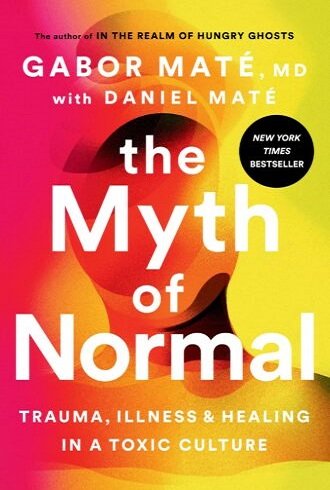
That is the question at the heart of The Myth of Normal by Gabor Maté and Daniel Maté. The book shows how modern society’s expectations about productivity, behavior, and health can quietly create stress, trauma, and illness across generations.
This is not a book about personal failure. It is about the systems we live in, the ways we are taught to cope, and how what we call normal might not actually be healthy.
For parents, healers, and anyone committed to breaking cycles of trauma, this book is a wake-up call. It explains why so many of us struggle and offers a way to understand and heal ourselves and our families.
You can get your copy of The Myth of Normal here
From Cells to Society: How Trauma Shapes Us
One of the most powerful things about this book is how it connects biology and society.
It begins at the cellular level. Trauma affects the nervous system, the immune system, and even how genes are expressed. Stress and survival adaptations can pass from one generation to the next, shaping how children and families respond to life.
From there, the authors expand the view to society. They show how common practices, routines, and expectations can add layers of stress and create what we think of as normal behaviors, but that are actually signs of deeper strain.
Modern Birthing Practices and Early Life
The book highlights how hospital-based birthing and early childhood interventions often disrupt natural processes. Early separation, medical interventions, and stress can affect attachment and nervous system regulation for years to come.
For parents and caregivers, this is eye-opening. Understanding these influences can help us create gentler, more connected experiences for children.
Childhood Behaviors Are Messages, Not Problems
Maté challenges the way we label childhood behaviors as problems or disorders.
Instead of asking “What is wrong with this child?” we are invited to ask “What happened to this child?”
Many behaviors are adaptive responses to stress, unmet emotional needs, or trauma. This perspective aligns closely with conscious and trauma-informed parenting, helping us respond with understanding instead of judgment.
Generational Trauma and Social Conditioning
Trauma does not exist in isolation. It is embedded in social systems such as schools, healthcare, workplaces, and parenting norms.
What society accepts as normal is not always healthy. Maté encourages us to see patterns that repeat across generations and to recognize the cultural and systemic forces shaping our lives.
Colonization, Power, and Collective Trauma
A particularly striking part of the book examines how colonization has affected communities.
Gabor Maté shows how brown, Black, and Indigenous communities carry intergenerational trauma resulting from displacement, exploitation, and cultural erasure.
The book does not blame individuals for suffering. It highlights systemic responsibility and shows how social structures can create deep, lasting impacts on health and well-being.
Why This Book Resonated With Me
As a mental health advocate and someone committed to breaking cycles of trauma, this book spoke to me deeply.
It bridges biology, psychology, sociology, and cultural critique, explaining how our systems and environments shape our health and behaviors.
I appreciated that it does not spiritualize or individualize trauma. It validates experiences and offers ways to understand and heal ourselves and our families. Awareness becomes the first step toward change.
If you want to explore these ideas yourself, you can purchase the book here
Who Should Read The Myth of Normal
This book is essential for anyone who wants to:
- Understand how society shapes mental and physical health
- Learn how generational trauma affects families and parenting
- Explore the long-term effects of colonization and systemic oppression
- Develop a trauma-informed perspective on behavior and illness
- Discover ways to return to a more connected and regulated way of living
If you are interested in conscious parenting, nervous system healing, or breaking inherited patterns, this book belongs in your library.
Final Thoughts
The Myth of Normal challenges our assumptions about health, behavior, and society. It reminds us that what is common is not always healthy and that healing is possible when we understand the roots of stress and trauma.
For anyone committed to raising cycle breakers and living with awareness, this book is a foundational guide. It validates struggles, exposes hidden patterns, and offers hope for change.
You can grab your copy here to start your journey.
You can explore more healing-centered books in my Parent Library.
Frequently Asked Questions About The Myth of Normal by Gabor Maté
What is The Myth of Normal about?
The Myth of Normal explores how modern society defines what is “normal” and how those definitions can harm our mental and physical health. Gabor Maté and Daniel Maté examine trauma, generational patterns, and systemic issues, showing that many struggles we face are shaped by social systems rather than individual failure.
Does this book discuss trauma?
Yes. Trauma is a central theme, but it’s framed within a societal and generational context. The book explains how trauma affects the nervous system, immune system, and behavior, and how these effects can be passed across generations.
Is this book only for parents?
Not at all. While parents will find it especially relevant for understanding children’s behavior and family dynamics, anyone interested in mental health, social critique, or generational healing will benefit.